
General Information
Six Reasons Why Białowieża Forest Is So Precious
Why this forest matters — and why it deserves far more attention than it gets.
Białowieża Primeval Forest has been described as Europe’s Serengeti or Great Barrier Reef. Yet in most circles, the forest remains little known outside Poland. This needs to change, for as long as it remains obscure, it’ll be under-protected and over-logged.
1. It’s a living museum
In a way, Białowieża Forest is Europe’s premier museum of natural history. Where in a conventional museum you’d see displays of stuffed animals and fossils, here you can walk through a prehistoric landscape replete with bogs, bison and ancient trees.
There’s an astonishing level of landscape diversity here. While civilisation has transformed and simplified most of Europe’s land area over the past few thousand years, Białowieża Forest has been largely preserved. When you visit, pay attention to the following features — these are the hallmarks of an 11,000+ year-old landscape.
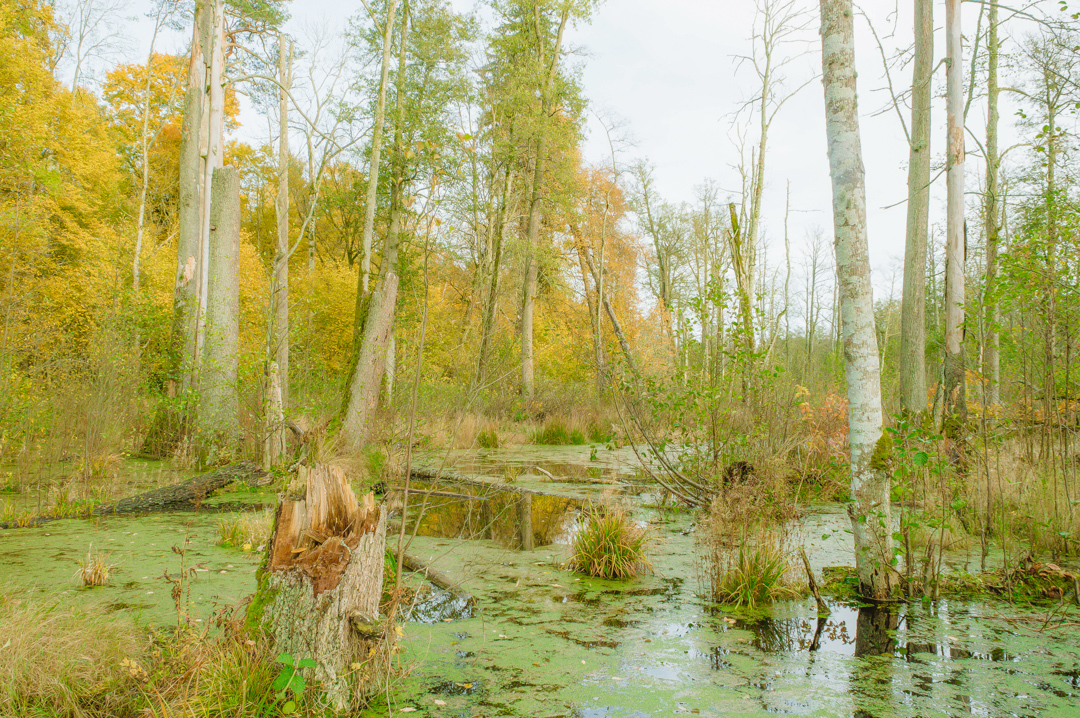
Wild, meandering rivers lined by bog forests. Most rivers in Europe have been straightened and lined with farmland, and even in Białowieża Forest around half the rivers have been regulated to some degree. But those that remain natural are exceptional. The Leśna River in the southeast is particularly well-preserved — one of the last un-canalised lowland rivers in the region.
Old, deciduous forest. Deciduous forests grow on fertile soils, which across Europe have almost entirely been cleared for farmland. In Białowieża Forest, primeval deciduous woods thrive, covering most of the forest’s area.
Jurassic Park-like bog forests. Most European wetlands were drained centuries ago for farmland. Białowieża Forest has retained its bogs, with some 30% of the forest’s area being one type of bog forest or another.
Huge, dead trees lying on the ground. In most European forests, dead trees are removed and sold. But in natural ecosystems they form an essential component of the circle of life — myriad species, many endangered, depend on dead wood. In parts of Białowieża Forest up to a quarter of all the wood is lying dead on the forest floor.
The forest’s unique natural history originates in its rich cultural history. Over the years, much has happened here: bison survived extinction, kings built palaces, and armies traversed through. It all began when royalty granted the woodland strict protection in the 14th century. In a way, Białowieża Forest became a national park centuries before nature conservation was invented.
This allowed it to survive while all other primeval forests in Europe were destroyed. It survived the Russian colonial period, two world wars and a destructive communist regime. The forest is now recognised as a UNESCO world heritage site, UNESCO biosphere reserve, national park (in part), and Natura 2000 site.
2. A refuge for endangered species
Relict species, like the hermit beetle and three-toed woodpecker, only inhabit undisturbed, old forests. Over the past few centuries, these species have become homeless as the ancient forests they depend on disappeared. Białowieża Forest’s unique history of protection has created an oasis of biodiversity — a safe refuge where relict species can survive.
By preserving these species here, we will be able to rebuild ecosystems elsewhere if we wish: the forest can provide a source population for any future reintroductions.
3. A living laboratory
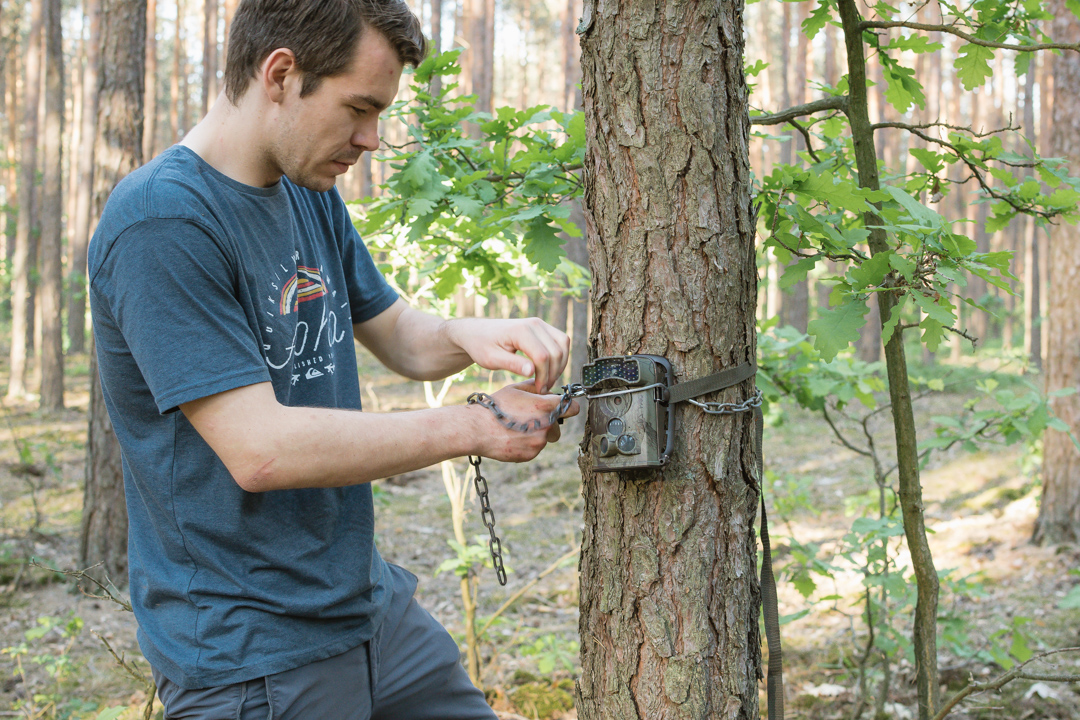
Despite some of the strictest environmental laws in the world, Europe’s biodiversity continues to decline. And all too often, we don’t understand why. To halt or even reverse this decline, we urgently need to improve our understanding of the continent’s ecology.
Białowieża Forest with its well-preserved assemblage of native species can help us do this. Described as ‘an open-door laboratory for biology, ecology, and forestry’, it is a model ecosystem showcasing how species interacted with one another before humans transformed the land.
4. An inspiration for rebuilding ecosystems
The relentless decline of biodiversity around the world is damaging society: our pollinators are dying, our rivers flooding and soil eroding. These problems are forecast to get worse. Białowieża Forest can play an inspirational role in this changing world. It’s a forest in which people and nature have lived alongside one another for 800 years — proof that high levels of biodiversity and human civilisation can coexist.
5. A great tourist destination
Europe’s oldest forest is a nature and outdoor sports lover’s dream. It offers some of the best wildlife viewing opportunities in Europe. It has great family-run bed and breakfasts. You can hike, bike and ski, before ending your day with the great regional cuisine. Busy only in July–August, it remains largely off the beaten trail — the perfect holiday for those wanting a peaceful break.
6. It’s the home of the bison
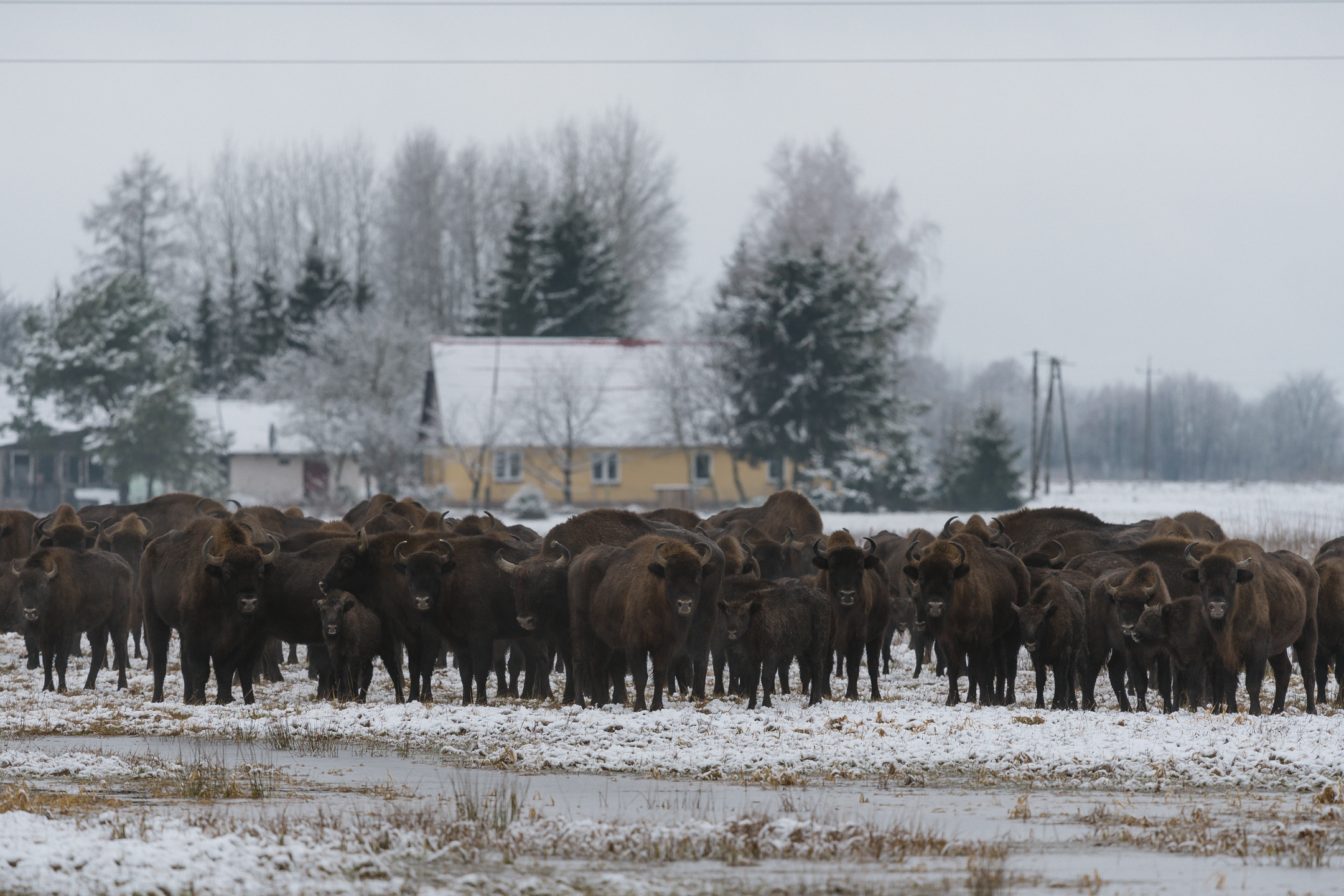
The bison is Europe’s largest land animal, a Polish national symbol, and the icon of the forest. It survived to the modern age under the protection of Lithuanian, Polish and Russian kings. Although it went extinct during WW1, it was meticulously reintroduced in the mid-20th century. These massive, peaceful creatures are the highlight of many people’s trip to Białowieża Forest.
Go deeper
Explore the forest with an expert
Five days tracking wolves, finding bison and walking ancient old-growth — guided by a PhD ecologist who has spent years studying Białowieża’s ecology.
View the tour →Białowieża is the closest thing Europe has to a reference ecosystem, a window into what the continent looked like before it was tamed. Our 5-day old-growth seminar explores its ecology in depth: ancient trees, rewilding rivers, and the return of species long lost elsewhere.
2 responses