
Getting Started
Best Time of Year to Visit
Season-by-season breakdown for wildlife, weather and what to expect when you arrive.
Białowieża Forest undergoes remarkable change over the year. A visit during any season is worthwhile, as each has its own unique charm and character.
Summer and winter represent the two opposing states of the forest: the state of life and state of dormancy. Autumn and spring are transitional seasons. Over the year the forest cycles with the changing temperatures — it flourishes as temperatures warm, and retreats as they cool.
Knowing how the forest changes matters for two reasons. First, it determines the plants and animals you’ll see. Second, it determines the activities you can do — cycling or skiing? And of course, it determines how warm your clothes need to be.
Białowieża Forest Climate
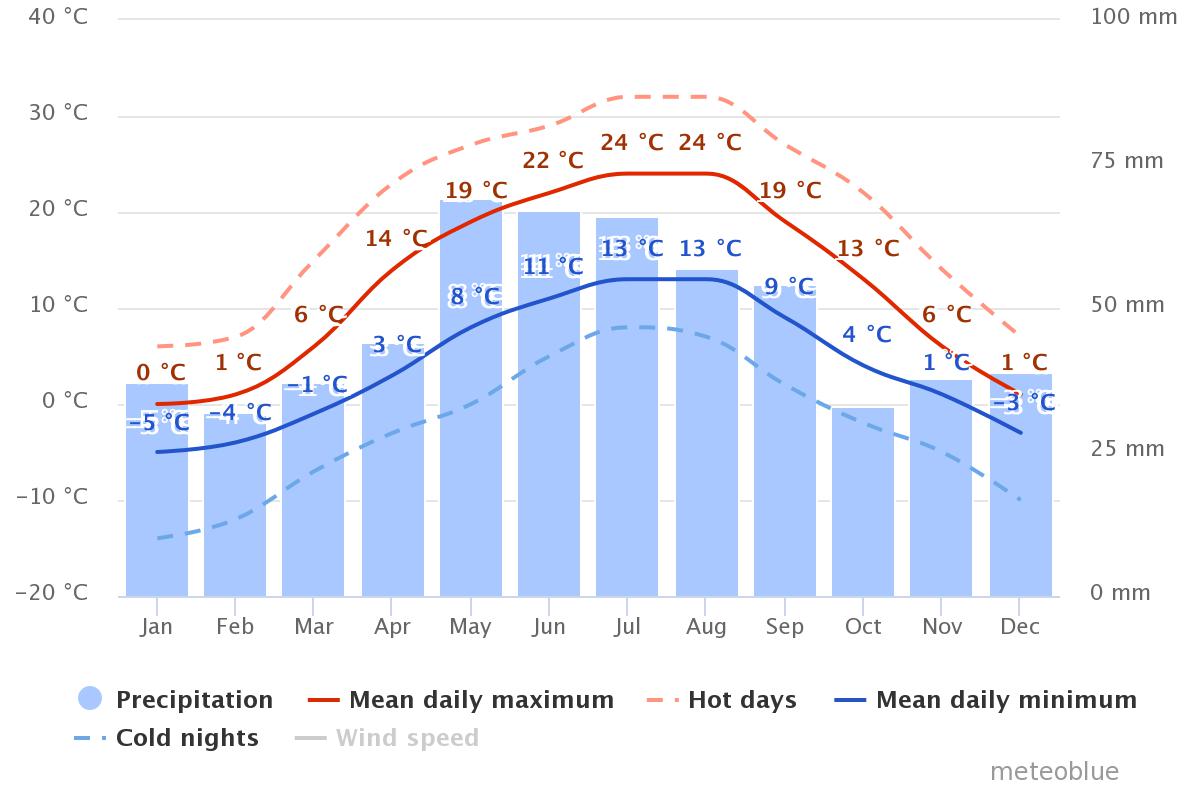
Summers are warm (average 20°C) and usually dry, though expect the occasional storm. Winters are traditionally cold and snowy, but the warming climate has made snow cover increasingly unpredictable. Autumn and spring sit between these extremes. Extreme temperatures are rare: expect a few days above 30°C in summer, and a few below −10°C in winter.
Summer
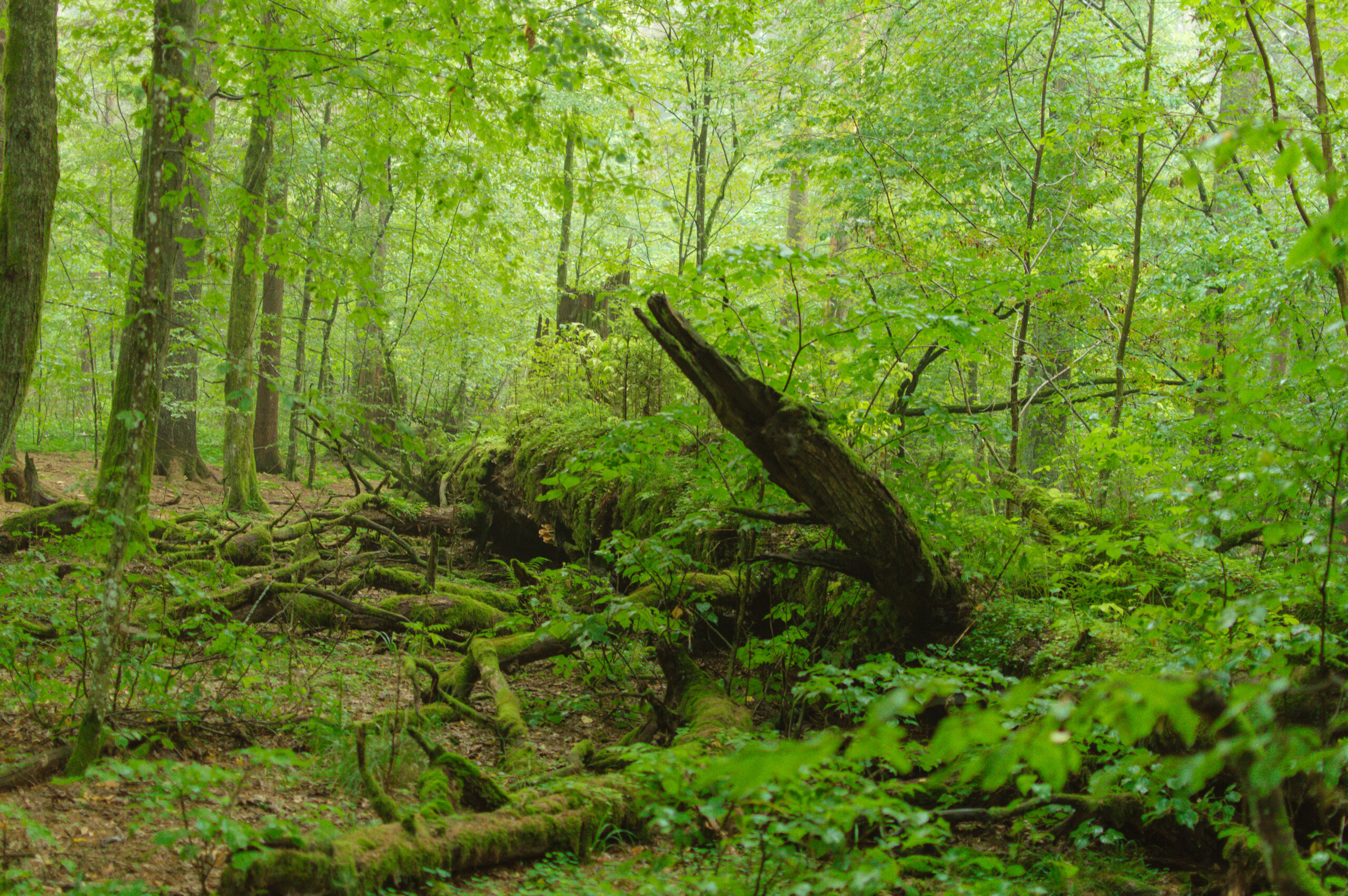
The forest is alive. Animals are busy rearing their young and plants are putting down roots and shoots. This is the time to see the exuberance of nature in full swing. The days are perfect for biking and hiking, and the evenings for beers and BBQs. Carry water for the midday heat and bring insect repellent.
Despite all the activity, seeing animals in summer can be surprisingly difficult. The undergrowth is dense and the forest floor dark. Many species have plenty to eat deep inside the forest, so they have little reason to emerge onto open meadows. The meadows remain your best bet for seeing bison — set off shortly after sunrise to maximise your chances.
Summer is busy, especially at weekends. Tourists concentrate heavily in Białowieża Village. Stay further afield — Pogorzelce, Teremiski, Budy or Narewka — if you want peace and quiet.
Autumn
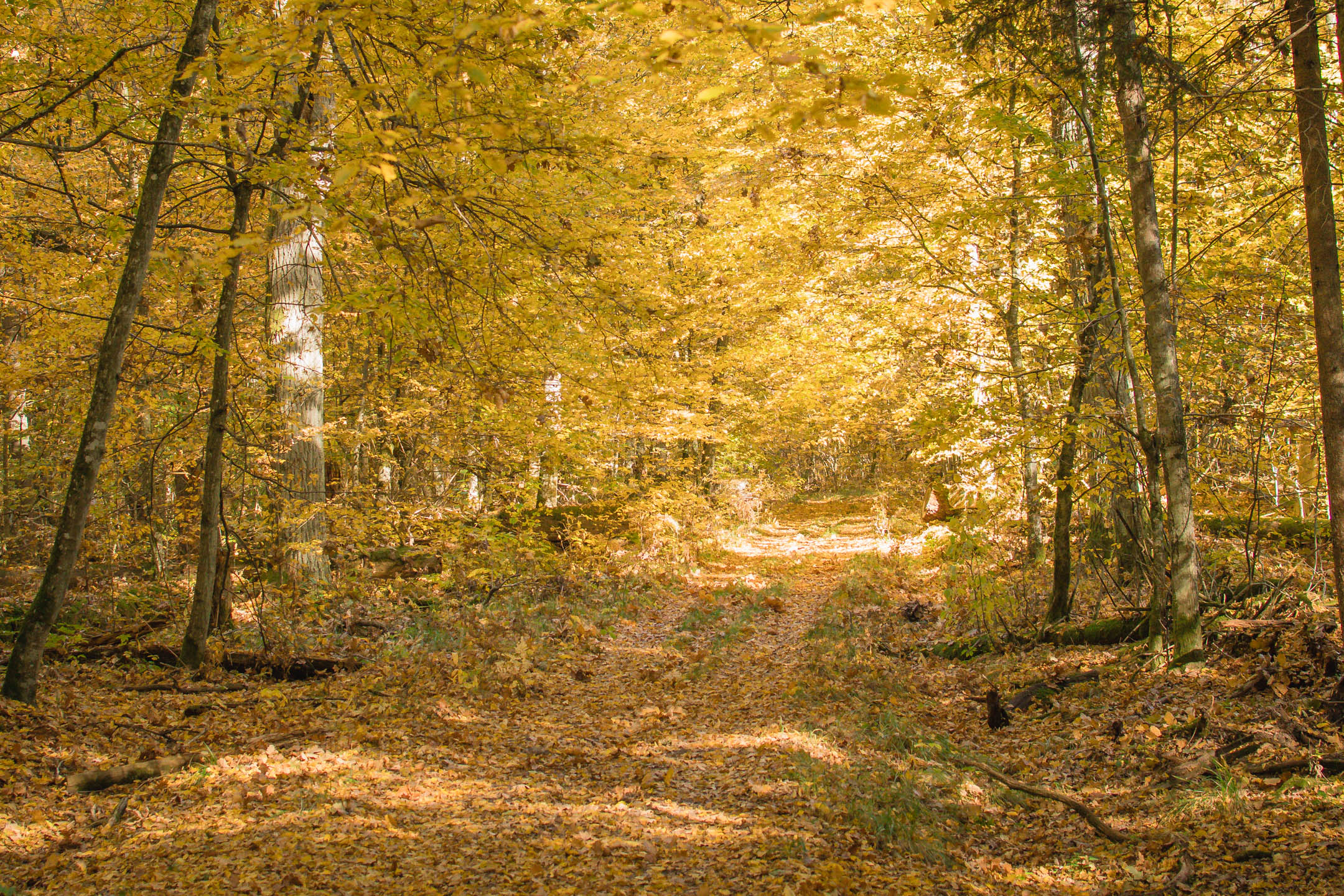
Though summer can extend well into September, by the end of the month the weather inevitably turns cool. This triggers the forest to prepare for winter. Animals fatten themselves up or store food. The tree leaves flow through a gradual colour transition — from light green, through golden yellow, to reddish brown — before dropping and carpeting the landscape.
Meanwhile flocks of cranes migrate overhead, their eerie calls reverberating throughout the forest. It’s a truly magical time.
🦌 The rut — Starting in mid-September, the red deer mating season begins. The males, full of testosterone, roar throughout the night to attract females, generating an electric atmosphere.
🍂 Peak colour — At the end of October and start of November, the trees race to lose their leaves before the first frosts. The forest becomes painted in red and gold. By December, most birds have migrated and the forest falls dormant.
Winter
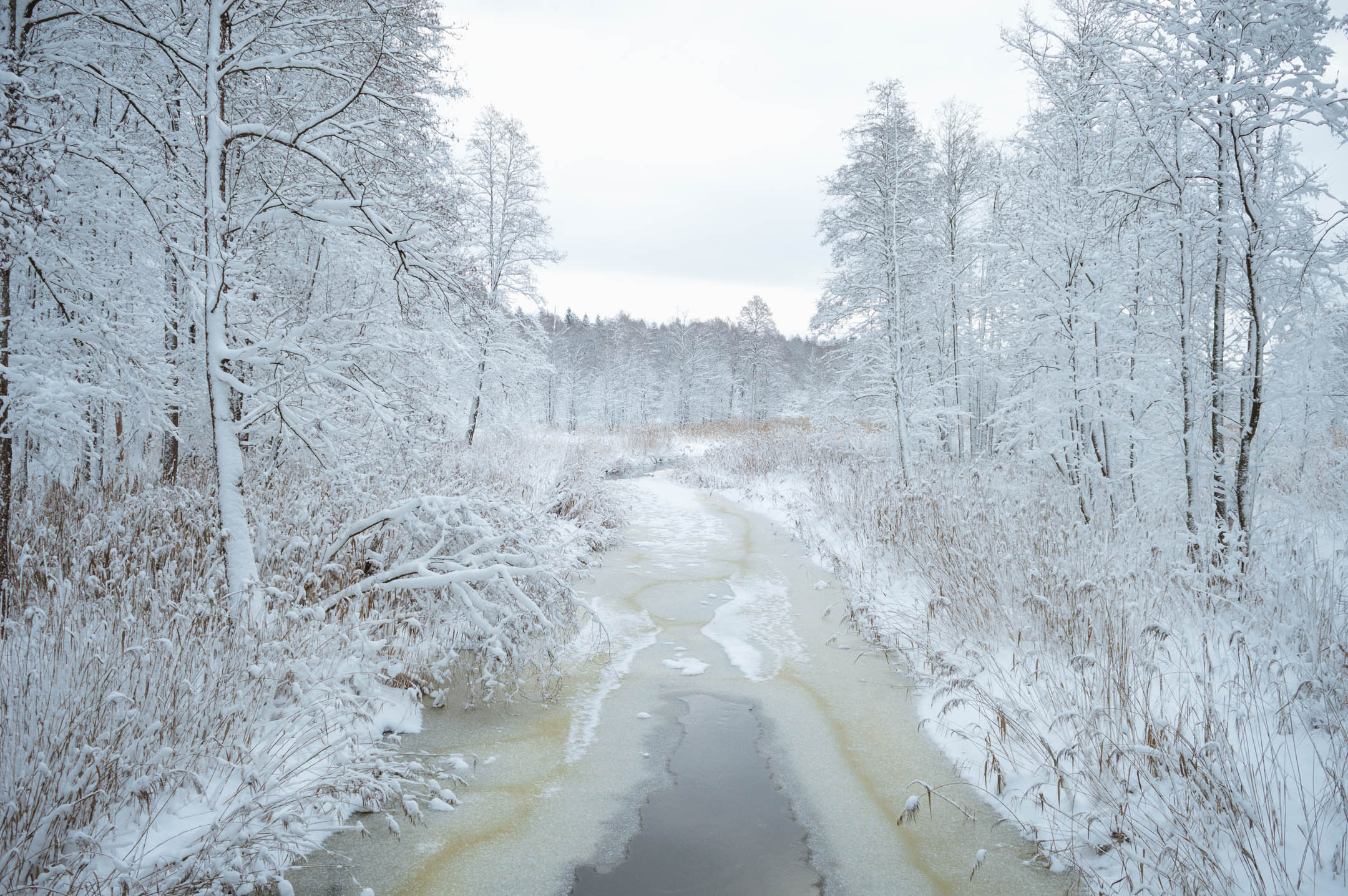
The forest lies dormant. It’s often grey and bleak, but once the snow arrives, the fairy tale begins. Plants and most birds disappear, leaving only leafless trunks, owls and woodpeckers.
By contrast, winter is the best season for seeing land mammals. As the undergrowth dies off and the canopy opens up, the forest floor brightens — making for optimal photography conditions on the rare sunny days. A bonus: insects disappear, so no ticks or mosquitoes to hassle you.
The bison change their behaviour noticeably. More than in other seasons, they emerge from the forest to forage on the meadows surrounding the villages. Most also gather into enormous herds at feeding spots dispersed throughout the forest. Both the meadows and feeding spots are reliable places to spot bison in winter — but be careful, as entering the feeding stations is forbidden.
🦬 Kosy Most — The only bison feeding station open to the public is at Kosy Most, in the north of the national park. Worth a visit in winter for a near-guaranteed sighting.
🌡️ Climate change — Between 1967 and 2017, the length of snow cover in Białowieża Forest almost halved — from around 80 days to just 40. Average temperatures have risen by two degrees and erratic temperature swings have become more common. Most years it snows by December, but mid-winter snow-free periods are increasingly frequent. When fresh snow arrives, grab the opportunity to cross-country ski. You never know how long it will last.
Spring
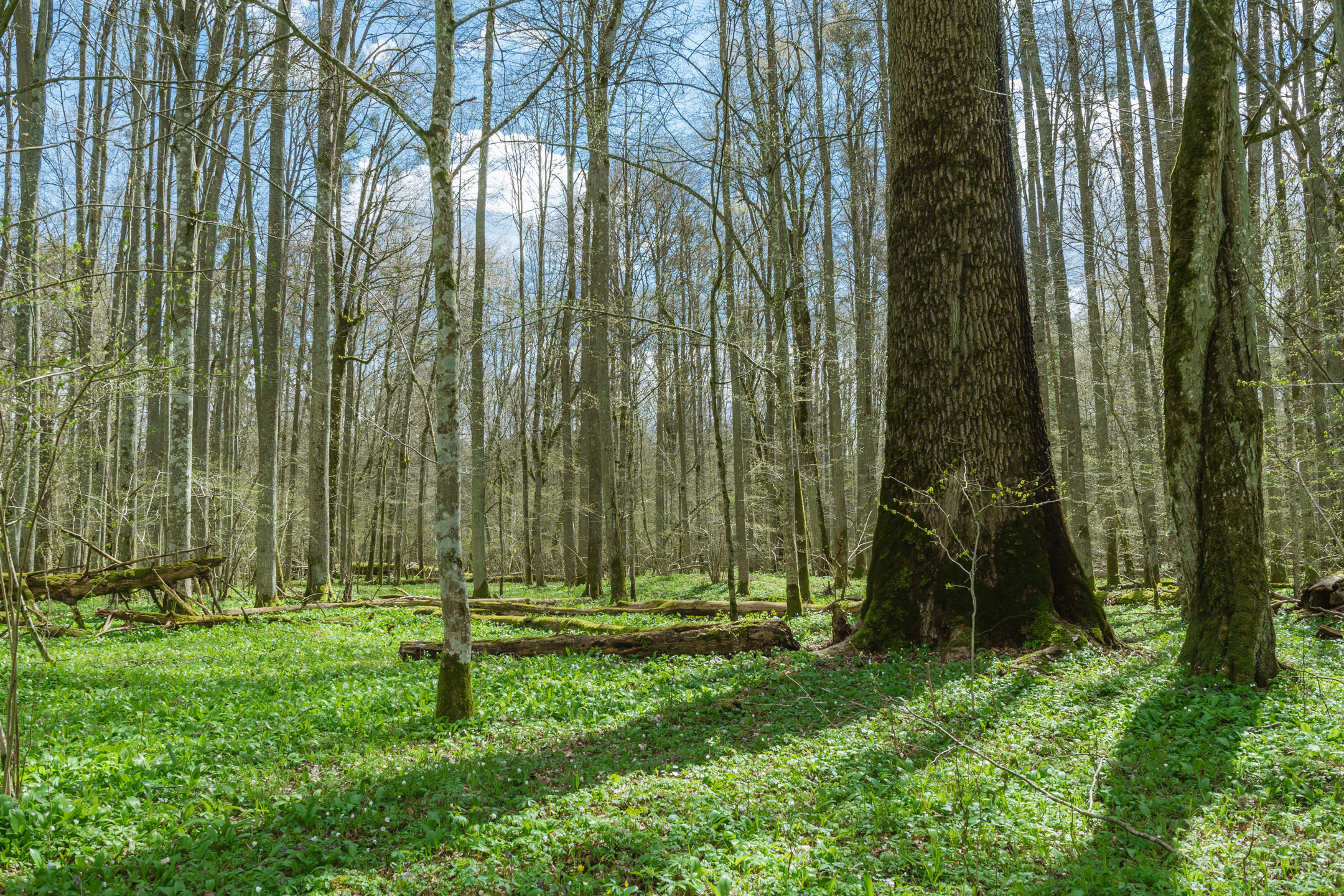
The awakening. By March it feels like winter has lasted forever. Temperatures rise above freezing, but the real change begins in April. Life returns to the forest with a trickle — then, by mid-April, the waterfall begins to flow, and not just figuratively.
As the snow melts, water collects in every hollow and cranny. With the canopy still open and the leaves just budding, the forest floor bursts into life. From March, each successive week brings new flowers eager to capture the light before the trees shade them out.
Simultaneously, the birds that wintered in southern climes return. Storks arrive in February, then more migrants follow through March and April. May brings a full spectrum of greens as the leaves take on their summer shapes. As they block out the sun, the forest floor darkens. By June, summer takes the place of winter.
Go deeper
Explore the forest with an expert
Five days tracking wolves, finding bison and walking ancient old-growth — guided by a PhD ecologist who has spent years studying Białowieża’s ecology.
View the tour →Our seminars run in May and September, the two best months for wildlife and forest walks. Find out what to expect on our 5-day old-growth seminar.
Hello I’m considering visiting the National Park again (last time in early September). I am considering late April – am particularly interested in seeing plants, flowers and birds and want to do a tour with English-speaking nature guide. Other option would be October to see autumn leaves. Would you recommend spring over autumn? Also is it likely to be too wet underfoot to enter forest in April.